Moving Water Is Feeding Water
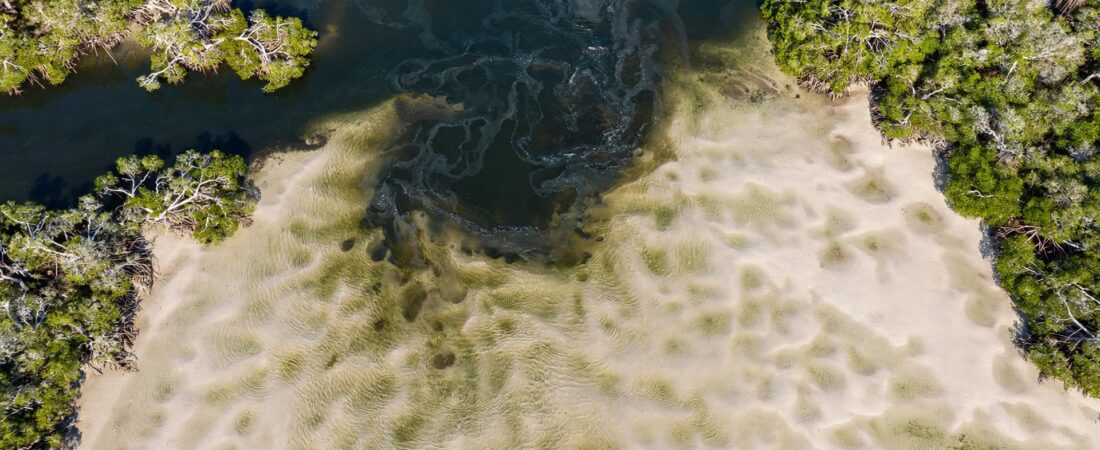
Fish are cold-blooded opportunists. They feed when food comes to them, and food moves with the current. A ripping tide carries shrimp, crabs, and baitfish past ambush points — docks, oyster bars, bridge pilings, grass edges. Slack tide? The conveyor belt stops, and so does the bite.
The rule is simple: fish the moving tide, rest the slack. The two hours on either side of a tide change are the money window — the first push of incoming water and the last drain of the outgoing.
Incoming vs. Outgoing
- Incoming (flood) tide: pushes bait and clean, oxygenated water onto the flats. Redfish and trout push up onto shallow flats to feed. Best for sight-fishing and flats wading.
- Outgoing (ebb) tide: drains bait off the flats and funnels it through cuts, creek mouths, and passes. Predators stack up at these choke points. Some of the year’s best snook and tarpon bites happen on a hard outgoing at a pass.
Neither is “better” — they’re better in different places. Incoming: fish the flats. Outgoing: fish the drains.
The Moon Runs the Tides
New and full moons produce the biggest tidal swings (spring tides) — stronger currents, more water movement, often more aggressive feeding. Quarter moons give weaker neap tides and subtler bites.
Many anglers also swear by solunar periods — the moon’s overhead and underfoot transits, which supposedly align with daily feeding windows. The science is thin, but generations of logbooks say the major periods (moonrise/moonset, overhead/underfoot) are worth fishing. Treat it as a tiebreaker, not gospel: a major solunar period on a moving tide at dawn is about as stacked as conditions get.
Water Temperature: The Thermostat
Every species has a comfort zone. A few benchmarks Florida anglers live by:
- Snook: active above 70°F, sluggish below 65°F, in real trouble near 55°F. Winter kills happen when temps crash.
- Speckled trout: happiest 65–75°F. Summer heat pushes them to deeper grass or early-morning topwater.
- Redfish: tolerant brutes — feed from the 50s to the 90s, but most aggressive 65–80°F.
- Largemouth bass: spawn when water hits the low 60s; feed hardest 60–75°F.
- Tarpon: follow 75°F+ water up the coast in spring, leave when it drops in fall.
That’s why today’s report leads every saltwater region with the observed water temp — it tells you which species are switched on before you launch.
Wind: Friend and Enemy
- A light onshore breeze (5–10 knots) is your friend: it ripples the surface, breaks up your silhouette, and pushes bait against shorelines.
- Hard onshore wind (20+ knots) muddies shallow flats and makes boat control miserable — fish the lee shorelines or stay home.
- Offshore wind flattens the beach surf and can fire up the pompano and whiting bite in the trough.
- Offshore, seas over 3–4 feet turn a fun trip into work. The report’s buoy readings tell you what’s actually out there, not just what’s forecast.
Putting It Together: The Pre-Trip Check
Before every trip, run this five-point check — it takes two minutes:
- Tide: When’s the change, and is it moving during my fishing window?
- Moon: New/full (big swings) or quarter (subtle)? Any major solunar period at dawn/dusk?
- Water temp: In my target species’ zone?
- Wind & seas: Fishable for my boat and my spot? Check the buoy, not just the forecast.
- Fronts: Is one coming (fish ahead of it) or just passed (expect it tough)?
Today’s Florida fishing report puts all five on one page, updated every morning — tides, water temps, marine forecasts, and live buoy readings for all 13 regions.